
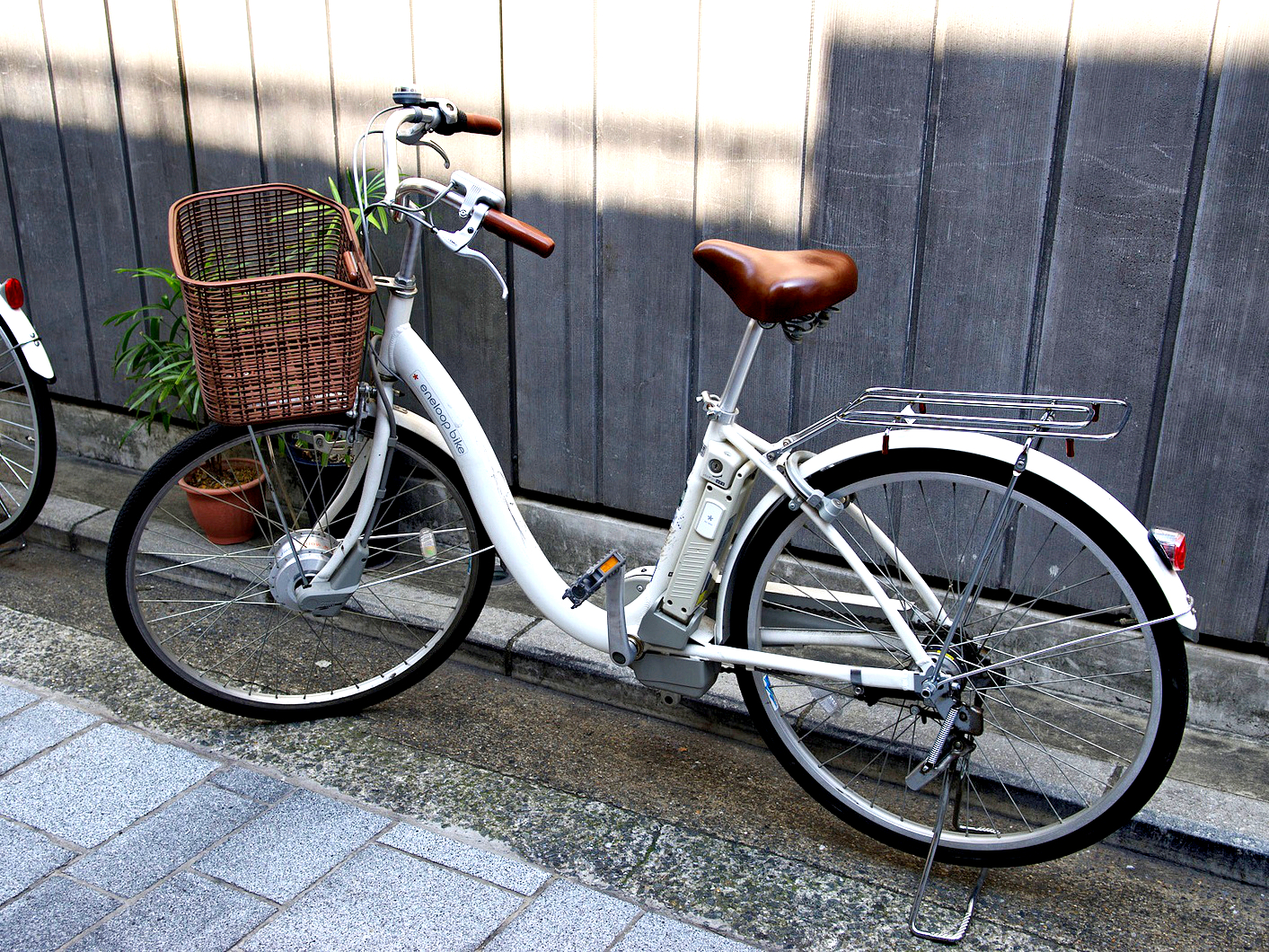
 An electric bike is a bike with an electric motor and rechargeable battery that makes cycling easier. Electric bikes are becoming more popular as the technology develops. Efficient motors combined with high capacity batteries make electric bikes more reliable and more feasible as a daily transport option now than they were 10 years ago.
The power from the motor is started by the use of the pedals, so it is not completely effortless! Most electric bikes have controls which determine the amount of power being used, so that, for example, more power can be used on hills. Some batteries in electric bikes are removeable for charging, while others are built into the bike frame and need to be charged with the battery in the bike.
In the UK, electric bikes are permitted battery power up to the legal limit of 15.5mph. You can go faster than this, but without any support from the electric motor. Note that the legal age limit for using an electric bike is 14 in the UK.
Electric bikes will appeal to cyclists who would otherwise struggle to use an ordinary bike:
- older cyclists who are no longer as fit as they once were,
- cyclists with a variety of physical disabilities who have limited strength in their lower limbs,
- cyclists who live in hilly areas where greater strength is required to get uphill, and
- others with limited fitness levels who feel that realistically they may be unable to use an ordinary bike.
Electric bikes come in many types for a wide range of purposes – road bikes, mountain bikes, cargo bikes, town bikes, electric trikes, folding bikes and bikes for mobility assistance. E-bikes are more expensive than ordinary bikes and are much more mechanically complex. Servicing and maintenance are more complex requiring specialist knowledge and skills, and note that many bike shops will not service e-bikes that they have not sold.
Several local retailers sell electric bikes, and you are advised to look at as many machines as possible, taking them for a test drive to see which might best meet your needs. Pay attention to charging times and the distances that can be travelled on each charge, which will, of course, depend on your speed, the terrain, and the level of assist setting.
Beware of cheap imports and cheap e-bike conversion kits. These often include batteries which do not meet current UK safety standards and some have been associated with fires caused by faulty batteries.
Thanks for the helpful overview! It’s great to see how far e-bike tech has come—especially for people who need a bit of extra support. I’ll definitely look into test riding a few models. Appreciate the tip about checking range and charging time!